
Facials and Hydrafacial treatments are professional skincare procedures designed to cleanse the skin, remove surface impurities, and support hydration. Although both approaches focus on skin maintenance, they use different techniques and equipment. Traditional facials often involve manual cleansing, exfoliation, masks, massage, and selected skincare products. Hydrafacial is a branded treatment that uses a device-based process combining cleansing, exfoliation, extraction, and the application of selected topical solutions.
Interest in professional skincare has expanded as consumers learn more about skin types, ingredients, treatment methods, and personalized routines. People may consider these procedures to address concerns such as dryness, uneven texture, surface congestion, or dull-looking skin. However, results vary according to individual skin characteristics, treatment settings, products, and aftercare.
Modern aesthetic clinics increasingly use specialized equipment and structured treatment protocols. Understanding what happens during a session helps people distinguish between a conventional facial and a device-assisted procedure. It also helps them ask informed questions about practitioner qualifications, hygiene, product ingredients, and suitability.
This guide explains the differences between facials and Hydrafacial treatments, the technology involved, and the practical considerations that influence treatment selection.
Who these treatments affect and what problems they address
Facials and Hydrafacial treatments may interest adults with different skin types and skincare goals. People experiencing surface dryness, mild congestion, uneven texture, or a lack of hydration may explore professional treatments as part of a broader skincare routine. Individuals with sensitive skin or existing skin conditions require additional care when considering exfoliation or active ingredients.
Skincare professionals, licensed aestheticians, dermatology clinics, and aesthetic practitioners are involved in providing or evaluating these procedures. Their responsibilities include assessing skin characteristics, explaining treatment steps, selecting suitable products, maintaining hygiene, and identifying situations that require medical evaluation.
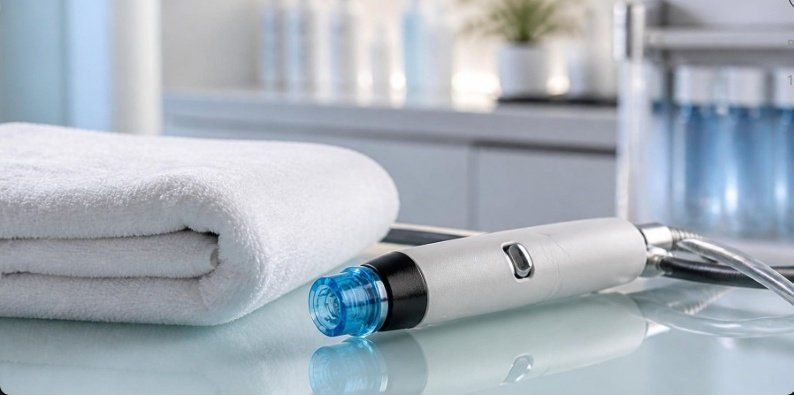
Traditional facials can be adapted to different preferences. A basic cleansing facial may focus on removing surface residue and applying moisturizer, while other treatments include exfoliation, masks, or gentle facial massage. Hydrafacial procedures use a specialized device to perform several stages in a coordinated sequence. The selected solutions and treatment intensity can vary.
A common problem is choosing a procedure based only on photographs or broad descriptions. Skin texture, sensitivity, allergies, medication use, and previous reactions can influence suitability. Another mistake is assuming that stronger exfoliation produces better results. Excessive treatment intensity may irritate the skin or weaken its protective barrier.
People with persistent acne, eczema, rosacea, active infections, open wounds, or unexplained skin changes should seek appropriate professional guidance before undergoing cosmetic procedures. A facial treatment is not a substitute for medical diagnosis or treatment. Clear communication about skin history helps practitioners determine whether a procedure is appropriate.
Recent updates and skincare industry trends
Over the past year, professional skincare has continued to emphasize personalized treatment planning, device-assisted procedures, and ingredient awareness. Clinics increasingly use skin consultation processes to understand hydration levels, sensitivity, texture, and individual preferences before recommending a treatment.
Hydrafacial systems and other aesthetic devices have developed around controlled fluid delivery, suction-based extraction, and coordinated application of topical solutions. Equipment design and available treatment protocols vary. Practitioners must understand device instructions and select settings appropriate to the individual rather than relying on a standard procedure for everyone.
Another trend is greater attention to skin barrier health. Skincare professionals increasingly discuss gentle cleansing, appropriate exfoliation, moisturization, and sun protection as connected elements of skin maintenance. This approach recognizes that repeated aggressive treatments may cause irritation rather than improve skin appearance.
Digital consultation systems and skin imaging tools are also used in some settings. These tools can help document visible skin characteristics and track changes over time. However, photographs and automated assessments have limitations. Lighting, camera settings, and image processing can influence results, so digital analysis should not replace professional assessment.
Ingredient transparency is another important development. People increasingly ask about exfoliating acids, moisturizing agents, fragrances, preservatives, and other components used during treatments. Understanding these ingredients helps practitioners identify possible sensitivities and explain realistic expectations.
Comparing traditional facials and Hydrafacial treatments
Traditional facials and Hydrafacial treatments share some objectives but differ in their procedures, equipment, and level of customization. The following comparison outlines common characteristics. Actual treatment protocols vary between clinics and practitioners.
| Comparison factor | Traditional facial | Hydrafacial |
|---|---|---|
| Main approach | Manual skincare procedure | Device-assisted skincare procedure |
| Cleansing | Usually performed manually | Integrated into the device-based process |
| Exfoliation | May use products, enzymes, or gentle tools | Uses a controlled exfoliation stage |
| Extraction | May involve manual techniques | Uses device-assisted suction |
| Hydration | Moisturizers, masks, and serums | Topical solutions applied during treatment |
| Automation | Generally limited | Uses specialized equipment |
| Customization | Depends on products and practitioner technique | Depends on device settings and selected solutions |
| Treatment duration | Varies by procedure | Varies by protocol |
| Maintenance | Depends on skin needs and routine | Depends on skin needs and treatment plan |
| Flexibility | Wide range of manual approaches | Structured device-based stages |
| Practitioner skill | Important for product selection and technique | Important for device operation and skin assessment |
| Potential irritation | Depends on ingredients and exfoliation | Depends on suction, solutions, and skin sensitivity |
Traditional facials provide flexibility because practitioners can adjust products, massage techniques, masks, and exfoliation according to the session's purpose. They may be suitable for people who prefer a manual skincare experience or require a simpler procedure.
Hydrafacial combines several stages through specialized equipment. The structured process can make treatment steps more consistent, although settings and solutions still require professional selection. It is important to understand that the device does not guarantee a particular result or make the procedure suitable for every skin type.
Neither method is automatically better. The appropriate choice depends on skin condition, treatment goals, sensitivity, practitioner expertise, and personal preference. A consultation is more useful than selecting a procedure based only on its name or popularity.
Safety, standards, and practical treatment guidance
Professional facials and Hydrafacial procedures should follow appropriate hygiene, equipment-handling, and client-safety practices. Practitioners should understand skin anatomy, contraindications, product ingredients, and the correct use of treatment equipment. Applicable professional requirements and device regulations vary according to the location and type of service.
Before treatment, clients should discuss allergies, sensitive skin, previous reactions, current skincare products, medication use, and relevant medical conditions. Recent chemical peels, laser procedures, sunburn, or other skin treatments may affect when another procedure is appropriate. Individuals using prescription skincare ingredients should ask their treating healthcare professional whether exfoliation or device-assisted treatment is suitable.
Hygiene is essential. Reusable equipment must be cleaned and disinfected according to manufacturer instructions and applicable standards. Single-use components should be handled appropriately. Practitioners should also explain the products being applied and check whether clients have known sensitivities to any ingredients.
After treatment, gentle skincare is generally preferable. Avoiding unnecessary exfoliation and using appropriate sun protection can help reduce irritation. The exact aftercare instructions depend on the procedure and the individual's skin response.
Clients should understand that temporary redness, tightness, or sensitivity may occur. Persistent discomfort, swelling, blistering, or unusual reactions require professional assessment. Treatments should not be performed over active infections or damaged skin without suitable medical guidance.
Which option suits different situations?
Beginners: A gentle traditional facial may be a straightforward introduction to professional skincare, provided the products and techniques suit the skin.
People with surface congestion: A practitioner may discuss either manual extraction or device-assisted cleansing after assessing sensitivity and the nature of the congestion.
Sensitive skin: A conservative treatment plan with minimal exfoliation and carefully selected ingredients may be more appropriate. Medical advice may be necessary for persistent skin conditions.
Experienced skincare clients: Hydrafacial or customized facials may be considered according to treatment history, skin response, and specific maintenance goals.
Tools and resources for informed skincare decisions
Several resources can help clients and practitioners understand treatment procedures, review ingredients, and maintain consistent skincare records.
Skin consultation forms — Record skin concerns, allergies, sensitivities, medication use, and previous treatment history.
Ingredient reference guides — Explain common skincare ingredients, their intended functions, and possible sensitivities.
Skin analysis equipment — Helps practitioners examine visible characteristics such as texture, dryness, and pigmentation patterns.
Device instruction manuals — Explain approved operating procedures, maintenance requirements, and safety precautions for aesthetic equipment.
Treatment record templates — Document procedures, products used, settings, and skin responses.
Aftercare instruction sheets — Provide clear guidance on cleansing, moisturization, sun protection, and activities to avoid after treatment.
Professional skincare training resources — Support education in skin anatomy, hygiene, ingredient knowledge, and treatment techniques.
Frequently asked questions
What is the main difference between a facial and a Hydrafacial?
A traditional facial generally uses manual techniques and skincare products for cleansing, exfoliation, masks, and moisturization. Hydrafacial is a branded device-assisted procedure that combines cleansing, exfoliation, suction-based extraction, and topical solution application. Both approaches focus on surface skincare, but their equipment, treatment sequence, and customization methods differ. Individual results depend on skin characteristics and practitioner technique.
Is Hydrafacial suitable for every skin type?
Hydrafacial may be suitable for several skin types, but it is not appropriate for everyone. Sensitivity, active irritation, skin infections, open wounds, and certain medical conditions may affect treatment suitability. Device settings and topical solutions also matter. A professional consultation should review skin history, allergies, current products, and previous reactions before treatment is considered.
How often should someone receive a professional facial?
There is no universal schedule for professional facials. Frequency depends on skin type, treatment intensity, personal goals, and how the skin responds afterward. Some people may prefer occasional maintenance sessions, while others may not need professional procedures regularly. A qualified practitioner can suggest an appropriate interval and explain when a simpler home skincare routine may be sufficient.
Can facials and Hydrafacial treatments replace medical skincare?
No. Cosmetic facials and Hydrafacial procedures are designed primarily for surface cleansing, exfoliation, and hydration. They do not replace medical assessment or treatment for persistent acne, eczema, rosacea, infections, or other skin conditions. People experiencing ongoing symptoms should consult a qualified healthcare professional. Cosmetic treatments should be considered separately from prescribed dermatological care.
What should someone check before choosing a treatment?
Check practitioner qualifications, hygiene procedures, equipment instructions, product ingredients, treatment stages, and aftercare guidance. Discuss allergies, medications, skin sensitivity, and recent procedures before the session. Ask about possible temporary reactions and situations in which treatment should be postponed. Clear information and an individualized assessment are more useful than relying on broad claims about results.
Conclusion
Facials and Hydrafacial treatments provide different approaches to professional skin maintenance. Traditional facials rely on manual techniques and selected skincare products, while Hydrafacial uses specialized equipment to combine several treatment stages. Both may support cleansing, exfoliation, and hydration, but their suitability depends on individual skin characteristics, treatment goals, and professional assessment.
Before selecting a procedure, consider skin sensitivity, current skincare products, allergies, medical history, practitioner experience, hygiene standards, and aftercare requirements. A detailed consultation can help establish whether a treatment is appropriate and prevent unnecessary irritation. Neither procedure should be viewed as a replacement for medical care when a skin condition requires diagnosis or treatment.
Looking ahead, skincare technology, ingredient research, and personalized consultation methods are likely to continue developing. Clients should pay attention to transparent treatment information, responsible device use, and realistic explanations of expected results. An informed approach that prioritizes skin health is more valuable than choosing a procedure based only on popularity or appearance-related claims.